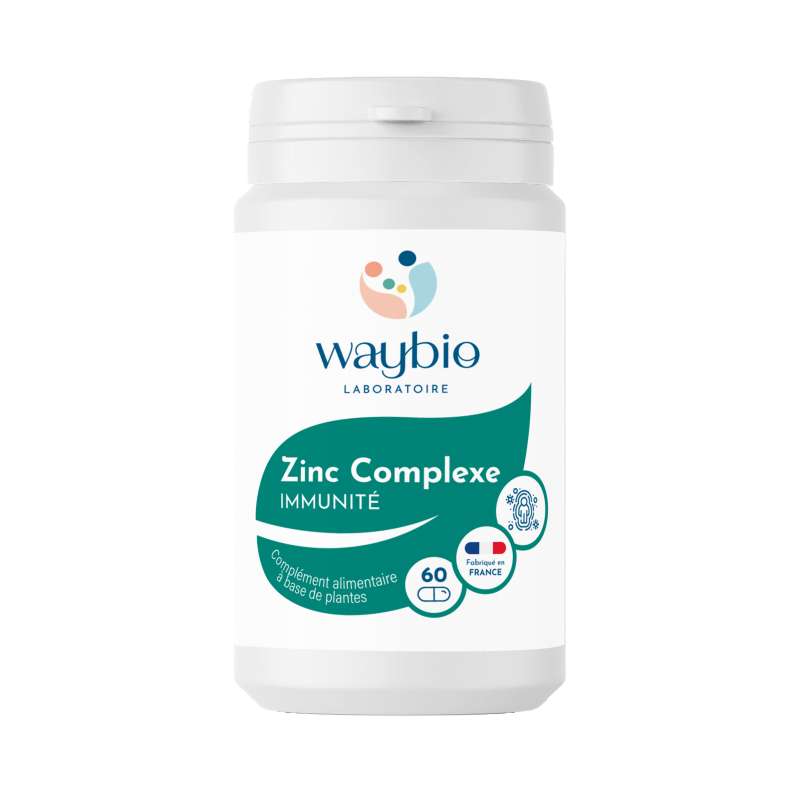
Zinc Complexe combines
four complementary active ingredients in a single daily dose. Each capsule provides
15 mg of zinc as bisglycinate and picolinate, equivalent to
150% of the nutrient reference value. The formula also contains
55 µg of selenium as L-selenomethionine,
1.4 mg of vitamin B6 and
302.5 mg of lithothamnion thallus powder.
Zinc plays a central role in this combination. Immune cells need to renew rapidly and communicate with one another to ensure an appropriate response. Zinc contributes to
normal DNA synthesis,
cell division and
protein synthesis. It is also involved in the signals that enable the activation and coordination of the various immune cells.
At the same time, this trace element contributes to
protecting cells against oxidative stress. It supports the function of several enzyme systems and protective proteins that limit the effects of oxidising molecules naturally produced by metabolism. Zinc also contributes to the
maintenance of normal skin, hair, nails, vision and bones, as well as
normal cognitive function.
Our formula combines
zinc bisglycinate and picolinate. In bisglycinate, the mineral is bound to glycine molecules, while picolinate combines it with picolinic acid. These
two organic forms are used to facilitate the availability of zinc in the digestive tract.
Selenium complements the action of zinc on
immunity and cellular protection. Supplied as
L-selenomethionine, an organic form similar to the amino acid methionine, it is used to make selenoproteins. These include enzymes responsible for controlling peroxides and preserving the
oxidative balance of cells. Other selenoproteins contribute to
normal thyroid function. Selenium also contributes to the
maintenance of normal hair and nails and
normal spermatogenesis.
Vitamin B6 acts as a cofactor in numerous reactions. After being converted into its active form by the body, it contributes to
protein, glycogen and energy metabolism. It also supports
normal red blood cell formation, the
function of the nervous system and
psychological functions. Its presence reinforces the formula’s consistency, as it contributes to both the
normal function of the immune system and the
reduction of tiredness and fatigue.
Lithothamnion is a red marine alga whose thallus naturally mineralises. Its powder provides the formula with a
mineral matrix of marine origin.
Thanks to its
three micronutrients dosed at 100% or more of the NRV, Zinc Complexe is particularly suitable during periods when nutritional intake and natural defences require special attention. Our formula may also support adults looking for
help with tiredness or wishing to take care of their
skin, hair and nails.
Who is this product for? Zinc Complexe may notably be suitable for:
• adults wishing to support the
normal function of their immune defences, particularly during seasonal changes or demanding periods;
• people whose diet provides
few regular sources of zinc, selenium or vitamin B6;
•
vegetarian or vegan adults, as the product is compatible with these diets; phytates found in certain grains and pulses may also reduce dietary zinc absorption;
• people experiencing
temporary tiredness, thanks to vitamin B6, which contributes to reducing tiredness and maintaining normal energy-yielding metabolism;
• adults wishing to combine
immune support, protection against oxidative stress and the normal maintenance of the skin, hair and nails.
What does the science say? An
American study published in 2016 investigated whether improving zinc status could influence the function of
T lymphocytes, cells essential to the immune response, in older people with low blood zinc levels.
The trial was conducted in
three nursing homes in the Boston area. Of the 53 residents assessed,
31 adults aged at least 65 with a serum zinc concentration below
70 µg/dL were randomly divided into two groups.
For
three months,
16 participants received 30 mg of zinc per day as gluconate, while the
15 participants in the control group received 5 mg. The study was conducted
double-blind. The comparator therefore contained a low dose of zinc rather than a placebo entirely free of this trace element.
The average increase in serum zinc was
16% greater in the group receiving 30 mg, after accounting for baseline values, with a
statistically significant difference (p = 0.007). The number of T lymphocytes and their proliferation after two types of laboratory stimulation also increased significantly (
p < 0.05). When proliferation was adjusted for the number of lymphocytes, the difference between groups disappeared: the observed effect therefore appeared mainly related to the
increase in the total number of T cells.
These results illustrate the
link between zinc status and certain parameters of cellular immunity in older people who initially had low zinc levels.
Reference: Barnett JB, Dao MC, Hamer DH, Kandel R, Brandeis G, Wu D, Dallal GE, Jacques PF, Schreiber R, Kong E, Meydani SN.
Effect of zinc supplementation on serum zinc concentration and T cell proliferation in nursing home elderly: a randomized, double-blind, placebo-controlled trial. The American Journal of Clinical Nutrition. 2016;103(3):942-951.
DOI 10.3945/ajcn.115.115188 —
PubMed.





 Immunity
.png) Expertise based on experience and science
Expertise based on experience and science.png) Certified products
Certified products The best of nature