Our formula provides, in
three capsules,
1,500 mg of cod liver oil, together with
270 µg of vitamin A, 5.5 µg of vitamin D and 30 mg of vitamin E. It therefore combines
three fat-soluble vitamins with complementary roles in a naturally oily matrix.
Vitamin D: bones, muscles and immunityWith
5.5 µg per three-capsule dose, equivalent to 110% of the recommended daily intake, vitamin D is one of the formula’s main nutritional strengths.
Once absorbed, it is converted by the body into an active form that helps the intestine
use calcium and phosphorus properly. These two minerals are essential for the
mineralisation of bones and teeth. Vitamin D thus contributes to the
maintenance of normal bones and teeth.
It is also involved in
muscle function. Calcium is not only used to build bones: it also enables muscle fibres to contract properly. Finally, vitamin D contributes to the
normal function of the immune system and the
process of cell division. These functions are recognised by European regulations.
Vitamin A: skin, mucous membranes and visionThree capsules provide
270 µg of vitamin A, equivalent to 899 IU and 33% of the recommended daily intake.
In the retina, a derivative form of vitamin A contributes to the formation of
pigments that allow the eye to respond to light, particularly when brightness decreases. It therefore contributes to the
maintenance of normal vision.
Other active forms of this vitamin are involved in the
renewal and specialisation of cells. This role explains its value in the
maintenance of normal skin and normal mucous membranes, particularly in the respiratory, digestive and ocular tracts. These tissues form protective surfaces that are in contact with the environment.
Vitamin A also contributes to the
normal function of the immune system and
iron metabolism.
Vitamin E: protection of cellular lipidsThe daily dose of three Oméga 3 complexe capsules provides
30 mg of vitamin E, equivalent to 250% of the nutrient reference value.
This fat-soluble vitamin naturally comes into contact with the fats that make up cell membranes. It helps
interrupt oxidation reactions that may damage these lipids. It therefore contributes to
protecting cells against oxidative stress, meaning an excess of reactive molecules produced notably by the body’s normal functioning and certain external stresses.
A traditionally used marine oilAccording to the Codex Alimentarius definition, cod liver oil comes from the
livers of wild cod belonging to the species Gadus morhua or other species of the Gadidae family. Its production involves extracting a crude oil, followed by
purification or refining stages designed to obtain an oil suitable for human consumption.
Cod liver oil holds a special place in the history of nutrition. In the early twentieth century, research into its components contributed to
the identification of vitamin D and an understanding of its role in bone mineralisation.
Key features •
1,500 mg of cod liver oil per three capsules;
•
vitamin D: 5.5 µg, equivalent to 110% of the stated RDI;
•
vitamin A: 270 µg, equivalent to 33% of the stated RDI;
•
vitamin E: 30 mg, equivalent to 250% of the stated NRV;
•
three fat-soluble vitamins combined in an oily matrix;
•
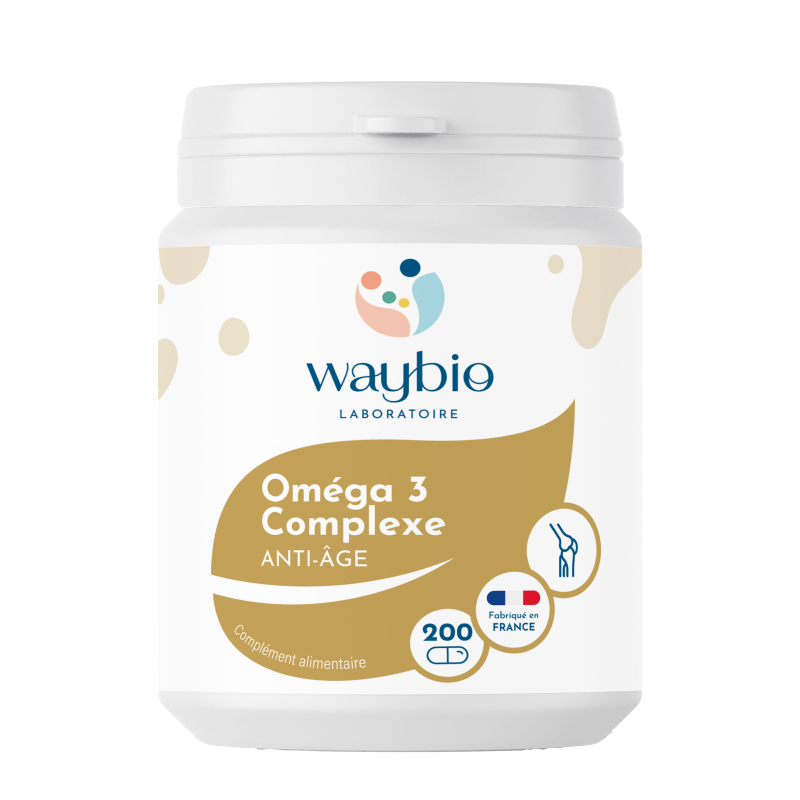
bottle of 200 capsules;
• approximately
two months of use at three capsules per day.
Who is this product for?Oméga 3 complexe may be particularly suitable for:
• adults wishing to supplement their
vitamin D intake, especially during periods of low sun exposure;
• people wishing to support the maintenance of
their bones, teeth and normal muscle function;
• active or older people wishing to pay particular attention to their
bone and muscle balance;
• those looking for
vitamin A to support the skin, mucous membranes and vision;
• people wishing to combine
immune support from vitamins A and D with the
antioxidant protection of vitamin E;
• those who prefer to take a
marine oil in capsule rather than liquid form.
Ingredient synergyThe main complementarity lies in the combination of
vitamins A, D and E:
•
vitamin D is the active ingredient primarily responsible for supporting bones, teeth and muscle function;
•
vitamins A and D both contribute to the normal function of the immune system through complementary mechanisms;
•
vitamin A supports the renewal of skin and mucous-membrane cells while contributing to vision;
•
vitamin E protects the lipids in cell membranes against oxidative stress;
• their presence in an
oily matrix is consistent with their fat-soluble nature. Lipids facilitate their dissolution during digestion. A systematic review notably reports that
vitamin D may be better absorbed when consumed with fat, while remaining absorbable in its absence.
What does the science say?A
randomised study conducted in Oslo, Norway, during the winter of 2005 and published in 2007 investigated vitamin D absorption when provided in a
fish-oil capsule.
The researchers initially divided
74 healthy adults aged 19 to 49 into two groups.
Fifty-five participants completed the study and met all the analysis criteria:
•
27 took one fish-oil capsule containing 10 µg of cholecalciferol, or vitamin D3, each day;
•
28 received the same dose of vitamin D3 in a multivitamin tablet.
The study lasted
28 days. It did not include a placebo: both groups received vitamin D in different forms. The aim was to determine whether the oily matrix altered the increase in
blood 25-hydroxyvitamin D, the marker usually used to assess vitamin D status.
After four weeks, the blood concentration had increased on average:
• by
32.3 nmol/L in the “fish-oil capsule” group;
• by
35.8 nmol/L in the “multivitamin tablet” group.
The difference between the groups was
3.5 nmol/L, with a confidence interval ranging from −3.6 to 10.6 nmol/L and a
p value of 0.33.
These results show that
vitamin D3 administered in a fish-oil capsule successfully increased vitamin status and proved comparable to the same dose presented in tablet form. The study therefore supports the
relevance of an oily matrix as an oral carrier for vitamin D.
Full reference: Holvik K, Madar AA, Meyer HE, Lofthus CM, Stene LC.
A randomised comparison of increase in serum 25-hydroxyvitamin D concentration after 4 weeks of daily oral intake of 10 μg cholecalciferol from multivitamin tablets or fish oil capsules in healthy young adults. British Journal of Nutrition. 2007;98(3):620-625.
PubMed PMID 17456248 —
DOI 10.1017/S000711450773074X





 Anti-aging
.png) Expertise based on experience and science
Expertise based on experience and science.png) Certified products
Certified products The best of nature