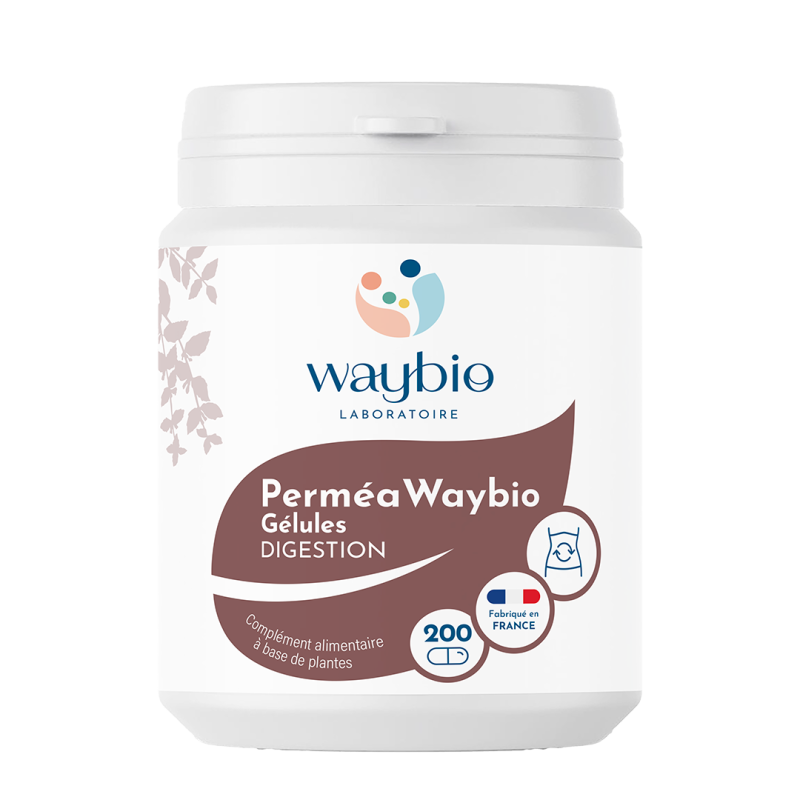
PerméaWaybio combines
a plant traditionally used to support digestion, two amino acids and a blend of probiotic bacteria. This combination addresses
three complementary aspects: comfort after meals, the microbiota environment and the nutritional needs of intestinal cells.
Digestion is not solely based on the breakdown of food. It also depends on interactions between the
microorganisms present in the intestine and the
mucosal lining that covers it. This lining absorbs nutrients while regulating exchanges between the intestinal contents and the body.
PerméaWaybio provides 540 mg of turmeric per six capsules. Long used in Asian culinary and medicinal traditions,
turmeric is associated with
digestive comfort, particularly in cases of
heaviness, slow digestion or occasional flatulence. This traditional use is the main reason for its inclusion in the formula.
Turmeric naturally contains
curcuminoids, including curcumin. At the cellular level, these compounds can interact with certain signals involved in inflammatory responses and with oxidation mechanisms. These biological properties complement its traditional benefits for digestive health.
The formula contains 300 mg of L-glutamine per six capsules. Glutamine is an amino acid naturally present in the body. The cells lining the intestine, known as
enterocytes, use it in particular as a
source of energy. It also contributes to the production of proteins and other components required for their function and renewal.
Glutamine is also involved in the mechanisms that regulate
tight junctions: contact areas between intestinal cells that control the passage of certain substances through the mucosal lining. A functional intestinal barrier is not a completely sealed wall; it must allow selective exchanges.
Its inclusion in PerméaWaybio therefore reflects a
nutritional approach focused on the cells of the intestinal lining, complementing the probiotic blend.
Per six capsules, PerméaWaybio provides a total blend of
6 billion probiotics at the time of packaging, divided among
five species:
•
Lactobacillus acidophilus and Lactobacillus casei: these bacteria use certain carbohydrates and produce lactic acid, among other compounds. Their fermentative activity can influence local acidity and interactions between microorganisms.
•
Lactococcus lactis: this other lactic acid bacterium, also known for its use in food fermentation, converts sugars into lactate. It complements the diversity of species provided.
•
Bifidobacterium breve and Bifidobacterium lactis: these bifidobacteria contribute to the metabolism of certain carbohydrates and produce
acetate and lactate, among other compounds involved in interactions within the intestinal ecosystem.
The value of this combination lies in providing
several species with different metabolic capabilities. Probiotics can interact with the microbiota and intestinal lining as they pass through the digestive tract; they do not necessarily establish themselves permanently.
PerméaWaybio contains 6 mg of L-methionine per six capsules. Methionine is an
essential amino acid: the body must obtain it through the diet. It is a component of proteins and supports the production of molecules used in numerous cellular reactions.
It also provides the
sulfur required for the formation of cysteine, which is itself used to produce
glutathione, one of the cells’ antioxidant protection systems.
• a formula designed to support
digestive comfort, particularly in cases of heaviness after meals;
• a combination of
probiotics and amino acids in a single serving;
• a supplement in
plant-based capsules suitable for vegetarian and vegan diets.
A trial conducted in the United States between 2011 and 2015 and subsequently published in
Gut in 2019 evaluated glutamine in
115 adults with post-infectious irritable bowel syndrome with diarrhoea and increased intestinal permeability. Of these participants,
106 completed the study.
For
eight weeks, participants received, in a double-blind setting, either
5 g of powdered glutamine three times daily or a whey protein-based placebo.
A reduction of at least 50 points in the symptom severity score was observed in
79.6% of the glutamine group, compared with
5.8% of the placebo group. The
intestinal permeability measurement also improved.
Trial reference: Zhou Q., Verne M. L., Fields J. Z., Lefante J. J., Basra S., Salameh H., Verne G. N.
Randomised placebo-controlled trial of dietary glutamine supplements for postinfectious irritable bowel syndrome. Gut, 2019; 68(6): 996–1002.
DOI: 10.1136/gutjnl-2017-315136.





 Digestion
.png) Expertise based on experience and science
Expertise based on experience and science.png) Certified products
Certified products The best of nature